Big Bank Earnings Kick Off Q3 Season: What JPMorgan, Citi, Wells Fargo and Goldman Must Prove
Wall Street's four biggest lenders open the third-quarter reporting season on October 13. Net interest income, credit provisions and deal fees will tell investors how healthy American companies and consumers really are.


The third-quarter earnings season has an unusual job this year. It isn’t just about whether America’s largest banks made money (they almost certainly did). It’s about whether the banking system is quietly absorbing stress from a world of 5%-plus Treasury yields, $100 oil and the Federal Reserve’s first rate hike since 2023.
JPMorgan Chase (JPM), Citigroup (C), Wells Fargo (WFC) and Goldman Sachs (GS) all report before the opening bell on Tuesday, October 13. Bank of America and Morgan Stanley follow on Wednesday. Together, these results act as an early health check on corporate credit, consumer spending and Wall Street deal-making before the rest of corporate America reports.
The Setup: Strong Estimates, Weak Share Prices
There is a striking gap between what analysts expect and how bank stocks have traded. Earnings forecasts have climbed steadily since June, yet the S&P 500 Banks Index fell roughly 5.4% during the third quarter while the broader S&P 500 gained around 2.3%. In plain terms, investors have been doubting the very profits analysts keep raising.
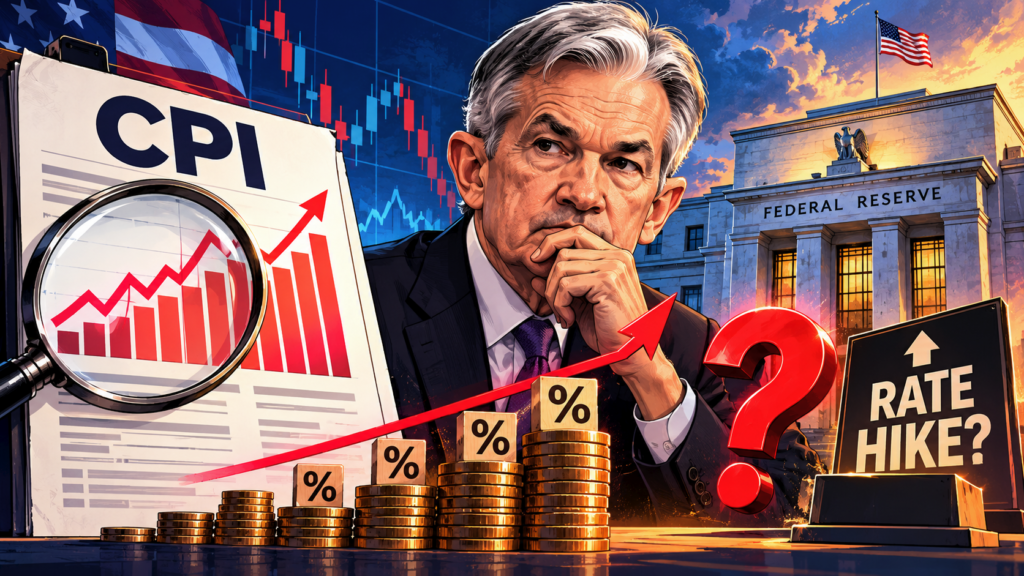
The reason is rates. The Fed lifted its benchmark range to 3.75%–4.00% on September 16, and the 10-year Treasury yield has been hovering near 5.3%. Higher rates can help banks earn more on loans, but they also pressure borrowers, depress the value of bonds sitting on bank balance sheets, and can slow the IPO and M&A pipeline that feeds investment banking fees.
Bank-by-Bank: What the Street Expects
| Bank | Q3 2026 EPS Estimate | Q3 2025 EPS | Revenue Estimate | Q3 2025 Revenue |
|---|---|---|---|---|
| JPMorgan Chase | ~$5.90 | $5.07 | ~$51.2B | $47.1B |
| Citigroup | ~$2.66 | $2.24 | ~$23.7B | $22.1B |
| Wells Fargo | ~$1.85 | $1.73 | ~$22.3B | $21.4B |
| Goldman Sachs | ~$13.03 | $12.25 | ~$16.7B | $15.2B |
Consensus figures compiled from LSEG and other analyst surveys ahead of the reports.
JPMorgan Chase: The Bellwether
As the largest US bank by assets, JPMorgan sets the tone for the entire sector. The key number is net interest income (NII), the gap between what the bank earns on loans and pays on deposits. In July, management lifted its full-year 2026 NII outlook to roughly $105.5 billion including its Markets business, or about $96.5 billion excluding it. Any change to that guidance will move the stock more than the headline earnings figure.
Investors will also compare this quarter with a blockbuster second quarter, when JPMorgan reported $21.2 billion in net income, a figure flattered by one-time gains tied to Visa shares. Stripping those out, underlying profit was about $16.9 billion. Investment banking fees are expected at around $3 billion.
Citigroup: The Turnaround Story
Citi has spent several years simplifying its sprawling global business. The market wants evidence that the restructuring is now translating into consistent profit growth. Analysts expect earnings per share to rise nearly 19% from a year ago. Watch expense discipline and returns on tangible equity, the metric CEO Jane Fraser’s team has pledged to lift.
Wells Fargo: Main Street’s Mirror
Wells Fargo is the most consumer-focused of the four, which makes its credit-card and auto-loan data a direct read on household finances. The stock has lagged peers, trading near $84 and closer to its 52-week low of about $73 than its high near $96. A clean credit picture could help close that gap; any jump in charge-offs would confirm fears that high rates are squeezing borrowers.
Goldman Sachs: The Deal-Flow Barometer
Goldman delivered the best quarter in its history in Q2, with $20.34 billion in revenue and earnings of $20.98 per share, boosted by fees from the SpaceX offering. Repeating that is unlikely. Analyst estimates are unusually scattered this time, which tells you how hard it is to forecast deal fees. According to Dealogic data, global investment banking revenue fell about 6.6% year-on-year in the third quarter to $27.2 billion as completed mergers and debt issuance slowed. Options markets are pricing a post-earnings move of more than 4% for Goldman, the biggest of the group.
Three Numbers That Matter More Than EPS
1. Net interest margin. This shows whether banks are still profiting from higher rates or whether rising deposit costs are eating into the spread. Stable or rising margins are a positive sign.
2. Loan-loss provisions. Banks set aside money for loans they expect to go bad. A sharp increase in provisions would be the clearest warning that management sees trouble ahead for businesses or households.
3. Investment banking pipeline commentary. Fees already earned matter less than what CEOs say about the fourth quarter. Talk of delayed IPOs or stalled mergers would be a negative signal for Goldman especially.
NXT Media View
Expectations are high on paper but low in share prices, a combination that often favors relief rallies if results are merely solid. The real risk lies in forward guidance. If banks signal that higher-for-longer rates are starting to bite into credit quality, the sector’s third-quarter slide could deepen. If they report healthy consumers and steady margins, financials could become a rotation destination for investors leaving expensive technology stocks.
Frequently Asked Questions
When do the big US banks report Q3 2026 earnings?
JPMorgan Chase, Citigroup, Wells Fargo and Goldman Sachs report before the US market opens on Tuesday, October 13, 2026. Bank of America and Morgan Stanley report on Wednesday, October 14.
Why do bank earnings matter for the whole stock market?
Banks lend to almost every business and household, so their results reveal how well borrowers are coping. Rising loan defaults or falling deal activity often show up in bank numbers before they appear elsewhere in the economy.
What is net interest income?
Net interest income is the difference between the interest a bank earns on loans and investments and the interest it pays to depositors. It is the largest source of revenue for most traditional banks.
What are loan-loss provisions?
These are funds a bank sets aside to cover loans it expects may not be repaid. Higher provisions usually signal that management expects economic conditions to worsen.
Why have bank stocks fallen despite rising profit estimates?
Investors are worried that high interest rates, elevated oil prices and slower deal-making could hurt future profits, even if current earnings remain strong.
How do US bank results affect Indian markets?
Strong or weak US bank results influence global risk sentiment and foreign investor flows. A healthy US financial sector generally supports appetite for emerging-market assets, including Indian equities.
Disclaimer: This article is for informational purposes only and is not investment advice. Figures are based on analyst estimates available before the reports were released. Readers should consult a qualified financial advisor before making investment decisions.