
What Happens If You Eat Biryani Every Day? 7 Health Risks You Should Know
Biryani is a favourite for millions, but what happens when you eat it every day? Learn how portion size, oil, salt and dietary habits can affect your health.

Health & Lifestyle | NXT Media
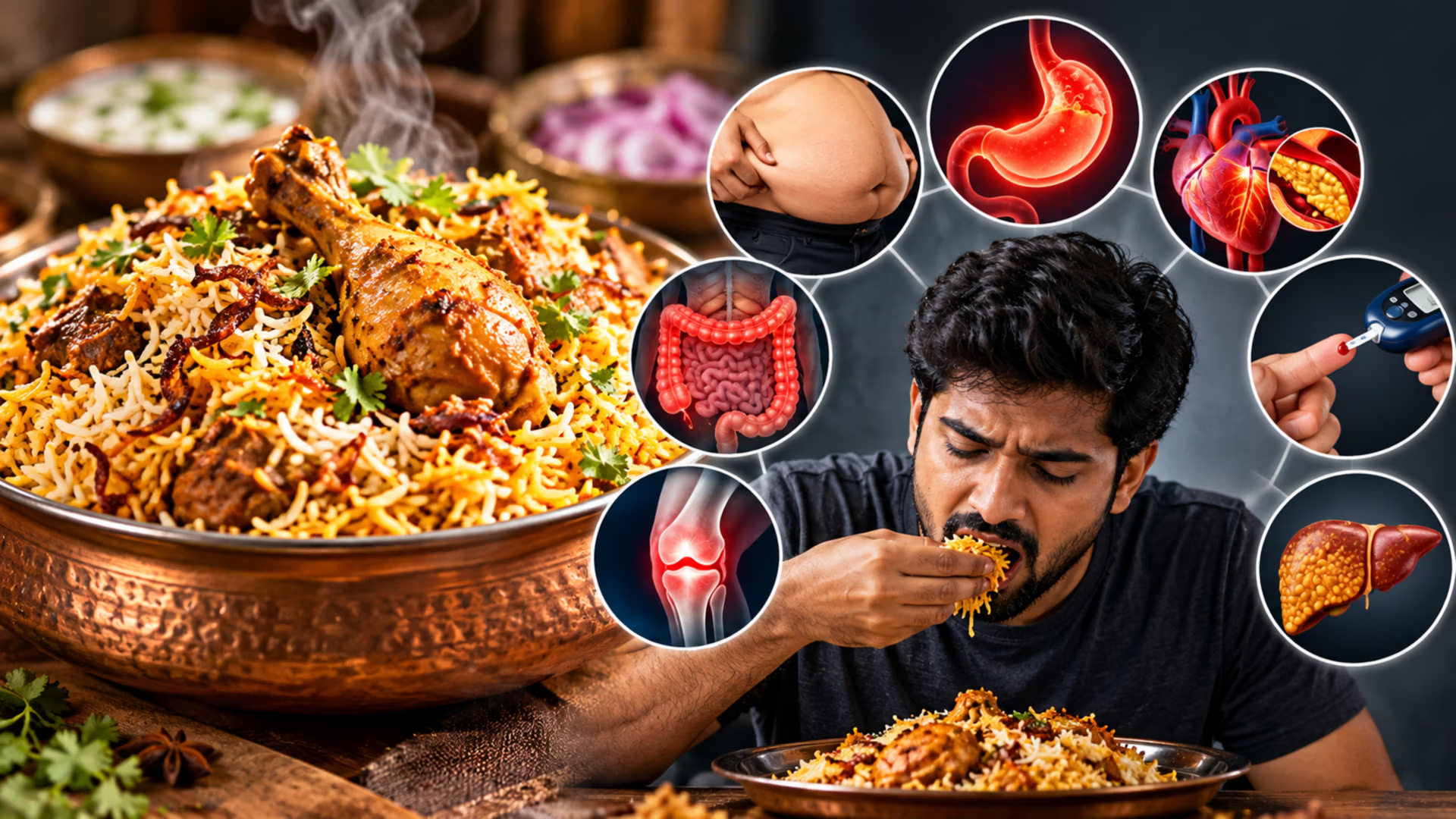
Biryani is one of India’s most loved dishes, celebrated for its aromatic spices, flavourful rice, and delicious combination of meat or vegetables. From chicken dum biryani to mutton biryani, it has become a regular meal for many people. But have you ever wondered what happens to your body if you eat biryani every day?
Eating biryani occasionally can fit into a balanced diet. However, making it your everyday meal, especially in large portions, may increase your intake of calories, saturated fat and sodium. Over time, these dietary habits can contribute to weight gain and other health problems, depending on the ingredients, portion size and your overall lifestyle.
Here are seven potential health risks to understand before making biryani a daily habit.
1. Weight Gain and Increased Body Fat
One of the main concerns with eating biryani daily is excessive calorie intake.
Biryani is often prepared with generous amounts of oil or ghee, along with rice, meat and fried onions. Restaurant portions can also be considerably larger than a typical home-cooked meal.
When you consistently consume more calories than your body uses, the excess energy is stored as body fat. Over time, this can lead to weight gain and increase the risk of obesity.
The calorie content varies significantly depending on the recipe, serving size and cooking method. A smaller homemade portion may contain considerably fewer calories than a large restaurant serving.
What you can do: Choose a moderate portion, limit excess oil and ghee, and balance your meal with vegetables and a suitable protein source.
2. Increased Risk of High Cholesterol
Certain types of biryani, particularly those made with fatty cuts of mutton, skin-on chicken, generous amounts of ghee or butter, may contain substantial saturated fat.
Consuming too much saturated fat over time can increase LDL cholesterol, commonly called bad cholesterol. Elevated LDL cholesterol can contribute to plaque buildup in the arteries, increasing the risk of cardiovascular disease.
However, biryani does not automatically cause high cholesterol. The ingredients, cooking method, overall diet and individual health factors all matter.
What you can do: Choose lean chicken, remove the skin where appropriate, use less ghee and oil, and limit fatty meat portions.
3. Blood Sugar Spikes and Type 2 Diabetes Risk
Rice is the main ingredient in most biryani recipes, making it a significant source of carbohydrates.
After eating, the body breaks down digestible carbohydrates into glucose, causing blood sugar levels to rise. The size of the increase depends on the portion, the type of rice, the accompanying ingredients and the individual’s metabolic health.
Eating large portions of rice-heavy meals regularly may make blood sugar management more difficult, particularly for people with prediabetes or diabetes.
Long-term weight gain and an overall diet consistently high in calories can also increase the risk of developing type 2 diabetes.
What you can do: Control your rice portion, include vegetables and protein, and avoid combining a large biryani meal with sugary drinks or desserts. People with diabetes should follow their individual dietary guidance.
4. High Blood Pressure From Excess Sodium
Restaurant biryani can contain considerable amounts of salt, particularly when prepared with heavily seasoned meat, spice mixes, stock and salty accompaniments.
Consuming too much sodium regularly can contribute to high blood pressure in susceptible individuals. High blood pressure increases the risk of heart disease, stroke and kidney problems.
The amount of sodium varies by recipe, so not every biryani contains excessive salt.
What you can do: Ask for less salt when possible, prepare biryani at home with controlled seasoning, and limit salty sides such as pickles and packaged sauces.
5. Acidity, Heartburn and Digestive Discomfort
Have you ever felt unusually full, experienced heartburn or noticed a burning sensation in your chest after eating biryani?
A large, oily meal can trigger indigestion or worsen acid reflux in some people. Chilli-heavy preparations may also aggravate symptoms in individuals who are sensitive to spicy food.
Eating a large portion late at night and lying down soon afterwards can make reflux symptoms more likely.
What you can do: Eat a smaller portion, identify ingredients that trigger your symptoms, and avoid lying down for approximately three hours after a substantial meal if you experience acid reflux.
Persistent heartburn or recurring digestive problems should be discussed with a healthcare professional.
6. Constipation and Low Fibre Intake
Traditional biryani often contains less fibre than a balanced meal built around vegetables, legumes and whole grains.
If biryani replaces vegetables, fruit, beans and other fibre-rich foods every day, your overall fibre intake may fall. This can contribute to constipation and less regular bowel movements, especially when you also drink insufficient water.
Biryani itself is not necessarily responsible for constipation. The problem may be the lack of variety in the rest of your diet.
What you can do: Add a generous serving of vegetables, include fruit and other fibre-rich foods throughout the day, and drink adequate water.
Raita may complement the meal, but it does not replace the fibre provided by vegetables and whole grains.
7. Increased Risk of Heart Disease Over Time
Eating biryani every day does not automatically cause heart disease. However, a pattern of frequent oversized meals, excess calories, high sodium and substantial saturated fat can contribute to several cardiovascular risk factors.
These include:
- Excess body weight and abdominal fat.
- Elevated LDL cholesterol.
- High blood pressure.
- Poor blood sugar control.
When these risk factors persist over many years, the likelihood of developing cardiovascular disease can increase.
The overall dietary pattern matters more than any single dish. A diet containing a variety of vegetables, fruit, whole grains, pulses, nuts and appropriate protein sources is generally more beneficial than relying on one rich meal every day.
Is Chicken Biryani Healthier Than Mutton Biryani?
The answer depends on the recipe and portion size.
Chicken biryani made with lean, skinless chicken and moderate amounts of oil may contain less saturated fat than a version made with fatty mutton. Mutton biryani can still provide valuable protein, iron and vitamin B12, but fattier cuts may increase its saturated fat content.
Vegetable biryani can provide useful nutrients, particularly when it contains plenty of vegetables. However, it may still be high in calories if prepared with excessive oil or ghee.
| Type of biryani | What to consider |
|---|---|
| Chicken biryani | Lean chicken provides protein; skin and added fats affect saturated fat content. |
| Mutton biryani | Provides protein, iron and vitamin B12; fatty cuts can increase saturated fat. |
| Vegetable biryani | Can provide fibre and micronutrients; vegetable quantity and cooking fat matter. |
| Restaurant biryani | Portion sizes, salt and added fats may be higher, depending on the establishment. |
| Homemade biryani | Easier to control ingredients, salt, oil and serving size. |
No type is automatically healthy or unhealthy. Preparation and portion size make a substantial difference.
How Often Can You Eat Biryani?
There is no single medically established number of times per week that is appropriate for everyone. Your nutritional needs, activity level, health conditions and the composition of the meal all influence how often it can fit into your diet.
If you enjoy biryani regularly, the aim does not have to be eliminating it completely. Instead, make it part of a varied diet.
Here are some practical steps:
- Control your portion: Avoid routinely eating beyond fullness.
- Reduce excess oil and ghee: Small changes can lower the meal’s calorie and saturated fat content.
- Include vegetables: Add vegetables to the biryani or serve them alongside it.
- Choose suitable protein: Lean chicken or other appropriately prepared protein sources can help create a more balanced meal.
- Limit sugary drinks: Water or unsweetened beverages are better everyday choices.
- Stay physically active: Regular activity supports weight management and cardiovascular health.
- Vary your meals: Alternate biryani with meals containing dal, vegetables, whole grains, eggs, fish or other protein sources.
People with diabetes, high blood pressure, kidney disease or elevated cholesterol may need more individualised dietary advice.
Final Verdict: Is Eating Biryani Every Day Bad for Your Health?
Biryani can be enjoyed as part of a healthy lifestyle, but eating it every day without controlling portion size or balancing the rest of your diet may increase the risk of weight gain, elevated cholesterol, high blood pressure and poor blood sugar control.
The biggest concerns are not simply the rice or spices. They are the overall calorie intake, excess saturated fat and sodium, large portions, and the possibility that other nutritious foods are being left out.
You do not necessarily have to give up your favourite biryani. Focus on how it is prepared, how much you eat and what you consume throughout the rest of the day.
The bottom line: Enjoy biryani for its flavour, but build your everyday diet around variety, balance and moderation. Your long-term health depends on your overall eating habits, not on one food alone.
Health disclaimer: This article is for general educational purposes and is not a substitute for personalised medical or nutritional advice.